Alisha Crispe – Remedial Massage Therapist Have you ever felt the next day soreness from a good workout?Is your back and neck constantly sore from […]


Alisha Crispe – Remedial Massage Therapist Have you ever felt the next day soreness from a good workout?Is your back and neck constantly sore from […]
Hi everyone! As we embark on a New Year in 2024, it’s that time of the year when many Australians embrace the outdoors, set ambitious […]
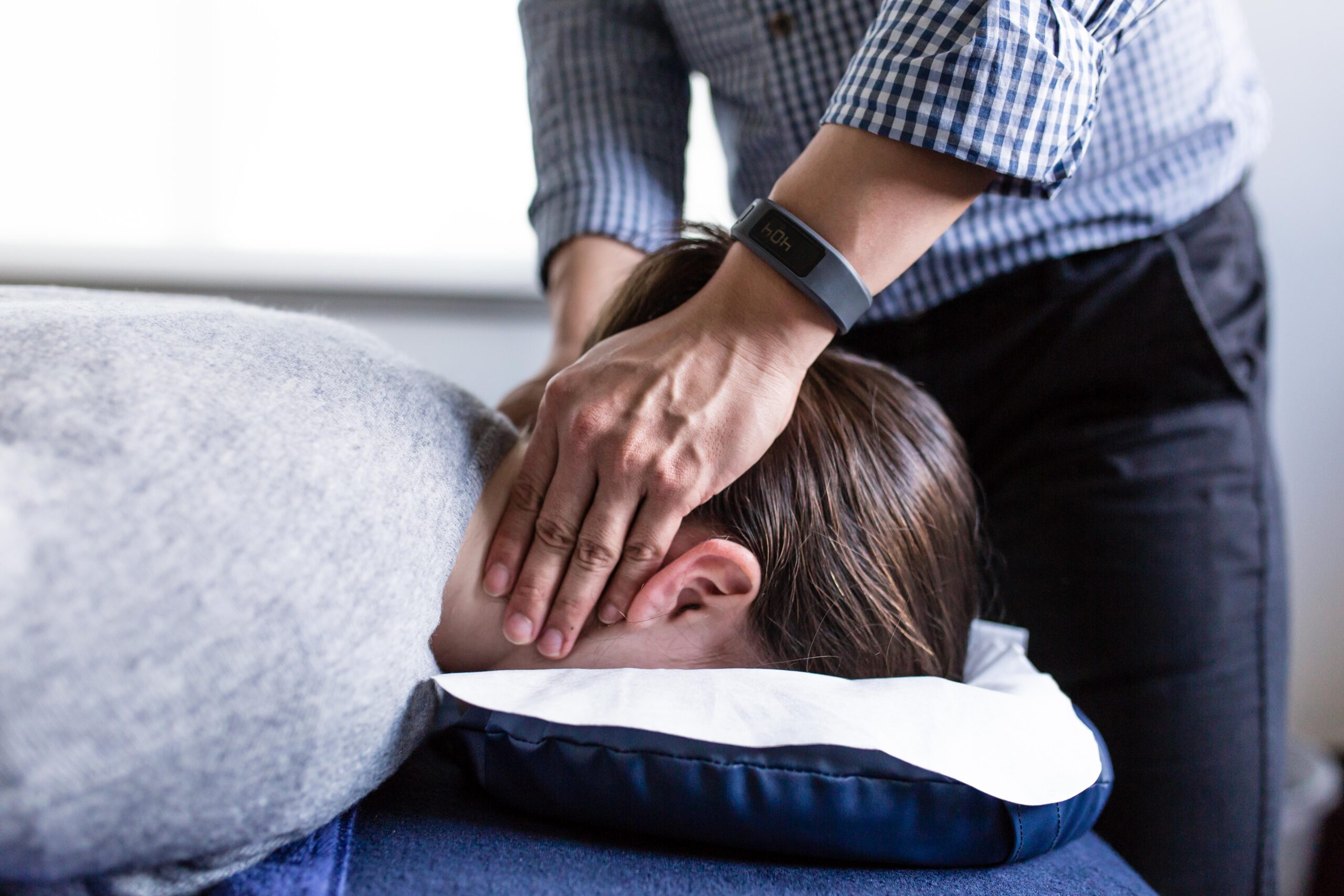
Did you know, there are 13 recognised types of headaches with over 300 subtypes, each classified by their underlying cause and symptoms. Classifying a headache […]
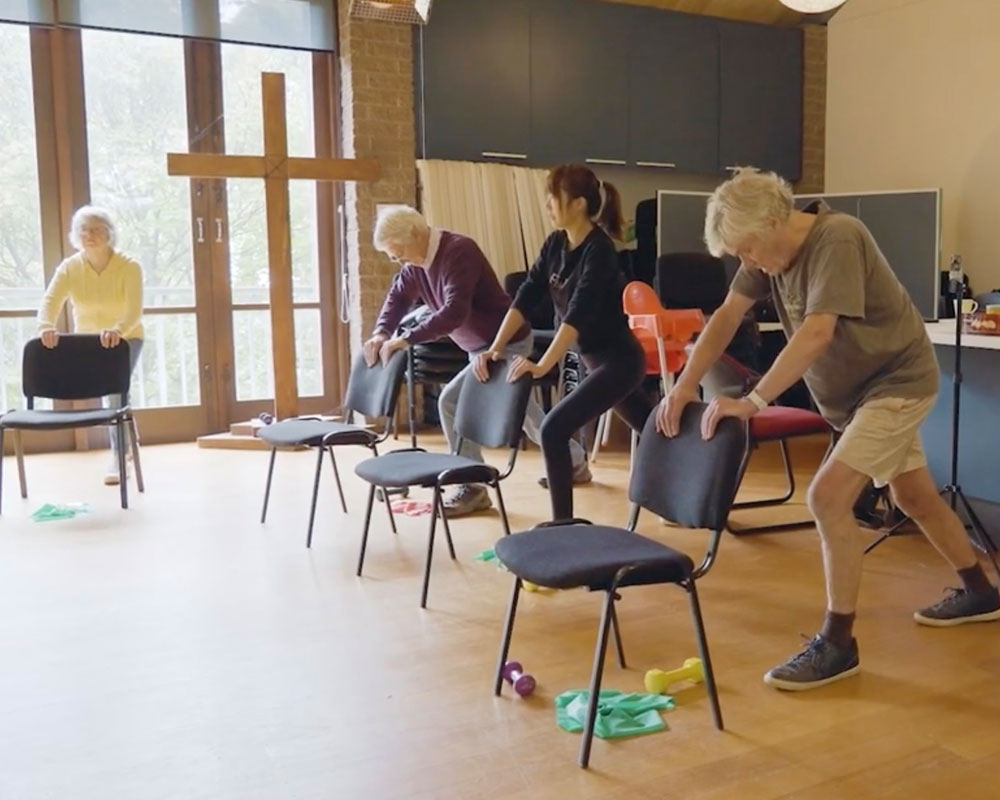
Originally printed in the Mount Evelyn Star Mail Balance is a skill we often take for granted. That is until we lose it! To keep […]
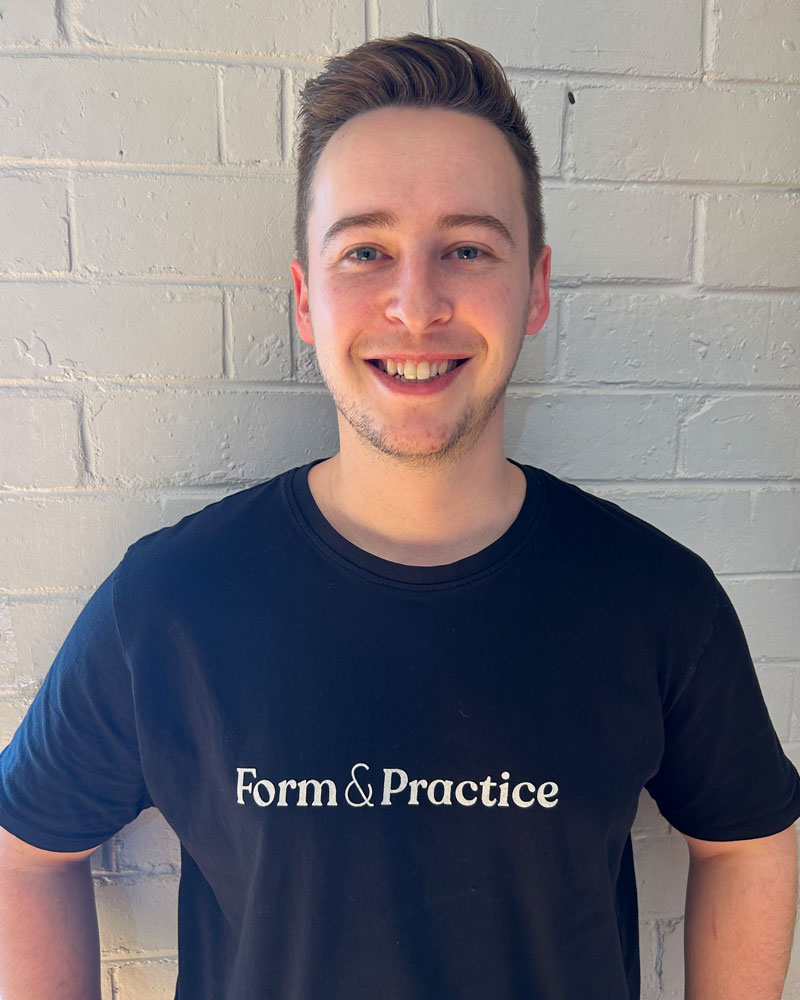
Volleyball is a physically demanding sport with over 240,000 players across Australia, and 900 million globally, making it the 5th most participated sport on earth. […]
Form & Practice is lucky enough to have had some exceptional myotherapists as part of our team over its many years of serving the Hills […]
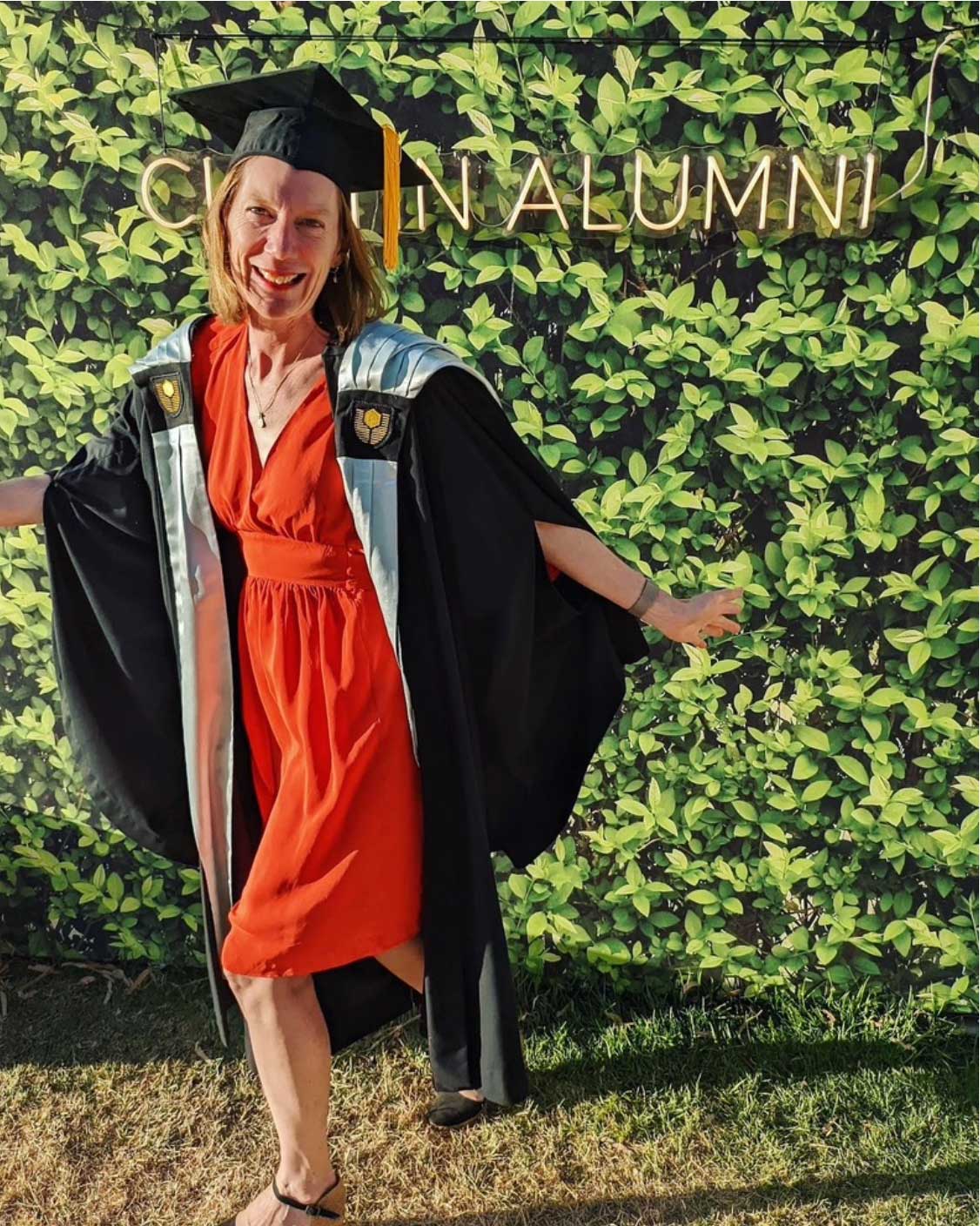
Did you know that Jen Vardy, our Pelvic Health Physiotherapist, has attained membership of the Australian College of Physiotherapists – as a Titled Women’s Health […]
Rimmy Dayal, Remedial Massage Therapist at Form & Practice As I sit here and write this post, we still have about two long months left […]
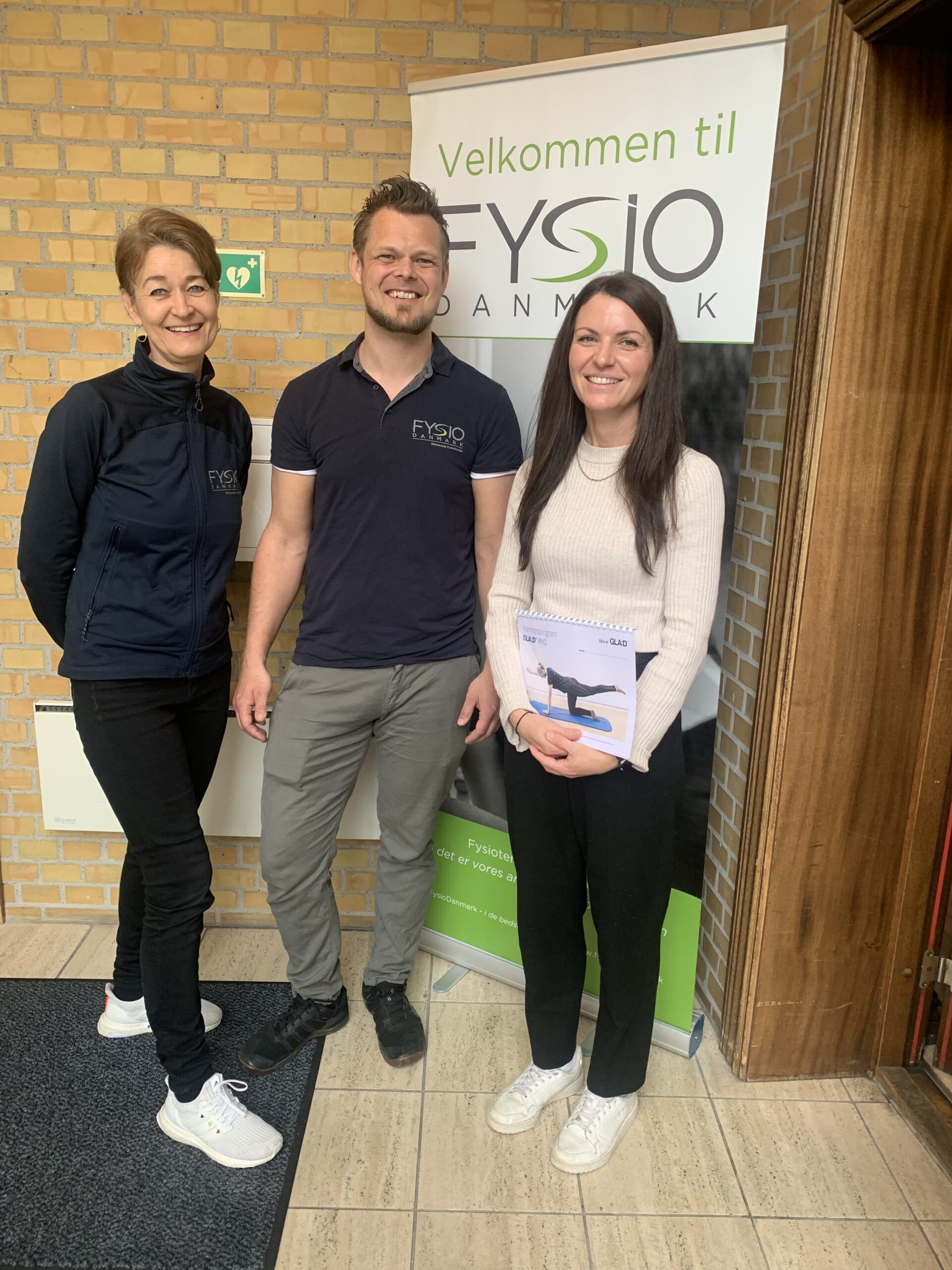
HAPPY BIRTHDAY GLA:D! Good Life Arthritis Denmark, otherwise known as GLA:D, celebrates 10 years this year from its beginnings back in 2013. And what a […]
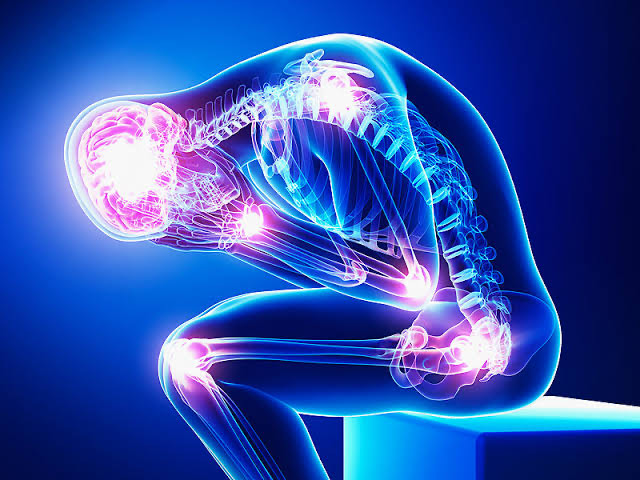
In the world of healthcare, understanding and treating musculoskeletal chronic pain conditions can be one of the most complex and frustrating tasks for all involved. […]
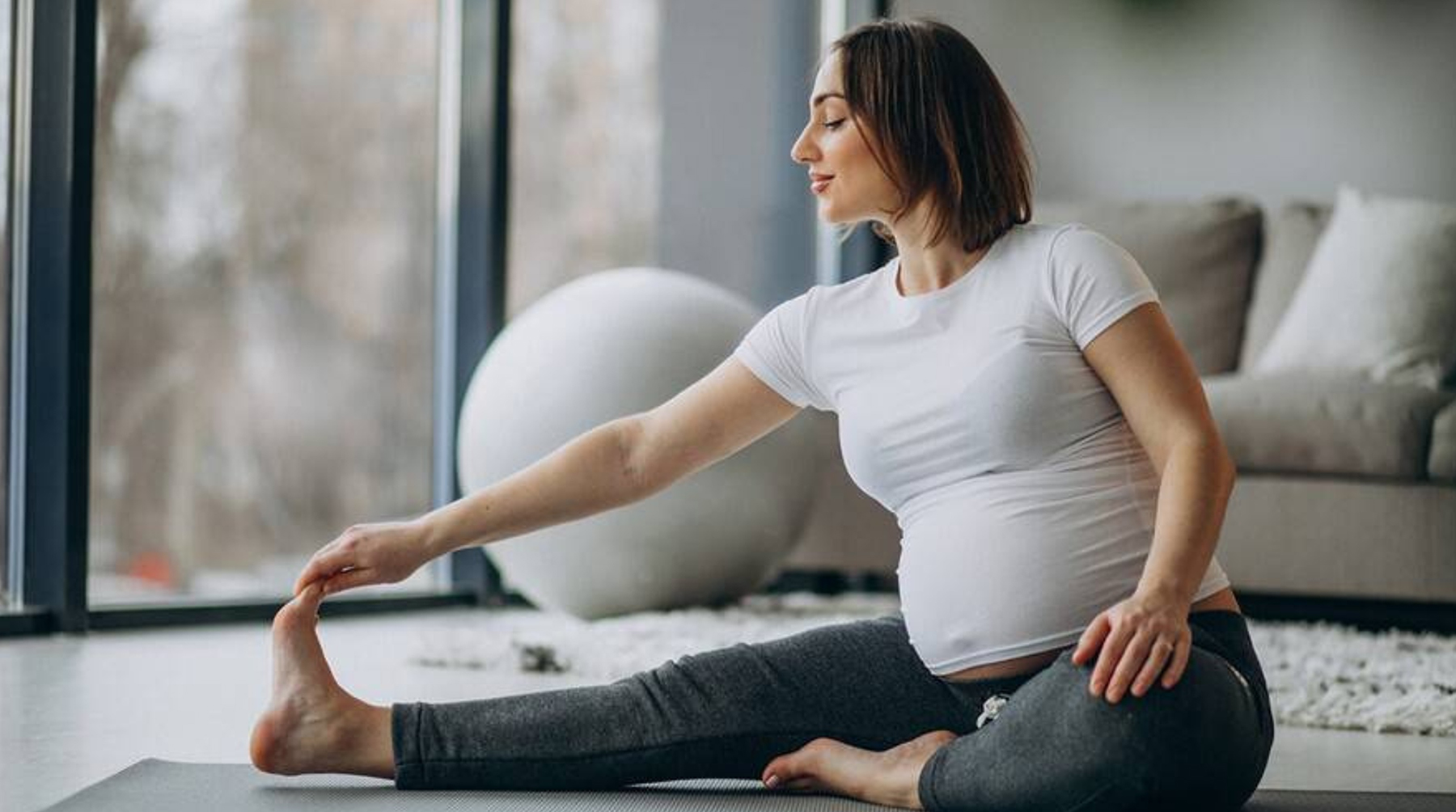
Staying active during pregnancy is beneficial for both you and your baby. It is supported by scientific research that physical exercise during pregnancy helps to […]

Knee pain in active children and adolescents is quite common, with there being a multitude of potential sources driving their pain. One of the most […]

Research suggests around 1 in 11 in Australia has osteoarthritis (OA). OA can be causedand influenced by many modifiable factors such as previous joint damage, […]
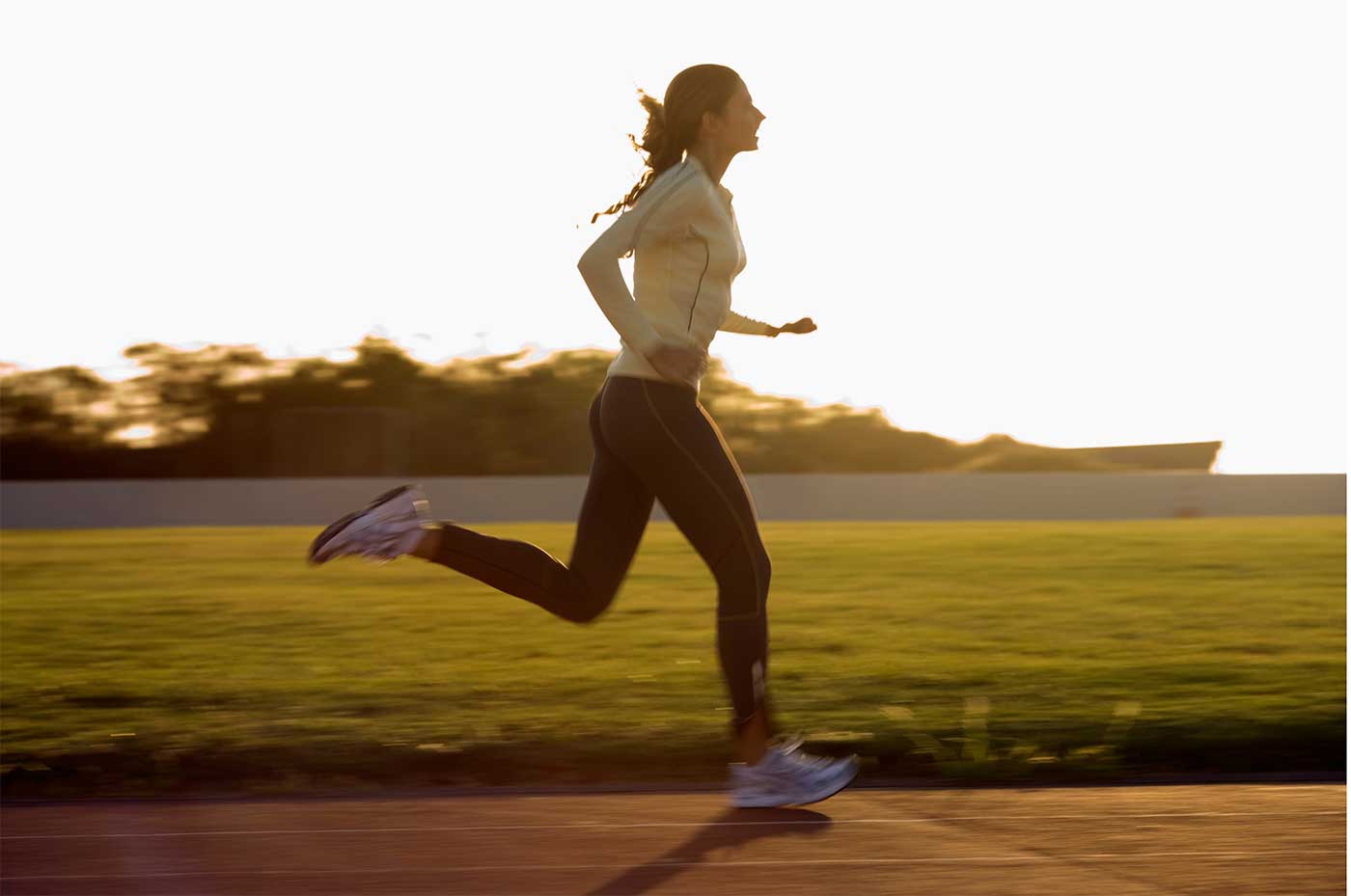
Running is awesome! You won’t find many greater advocates for the benefits of running than myself. As a physio, I love promoting running for all […]
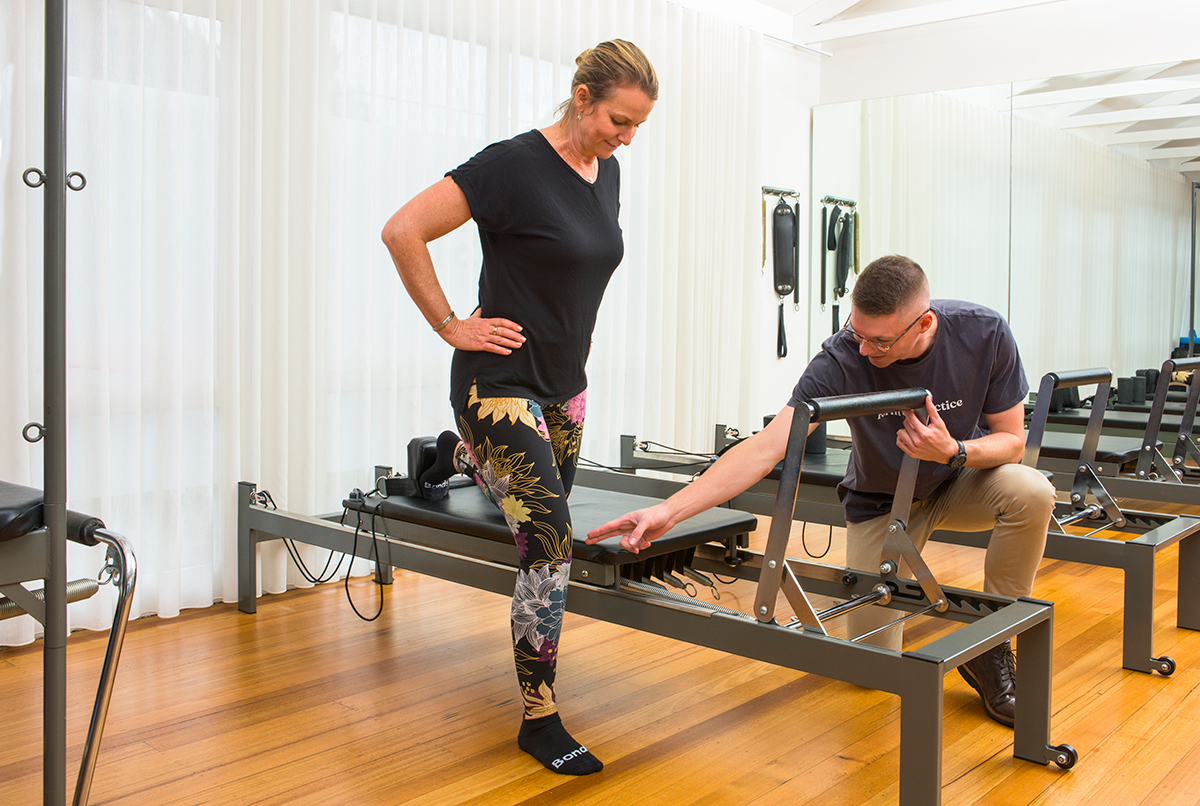

Osteoporosis is an asymptomatic, progressive condition where bones lose theirdensity and become fragile. It occurs because they lose minerals (like calcium)faster than they make them. […]
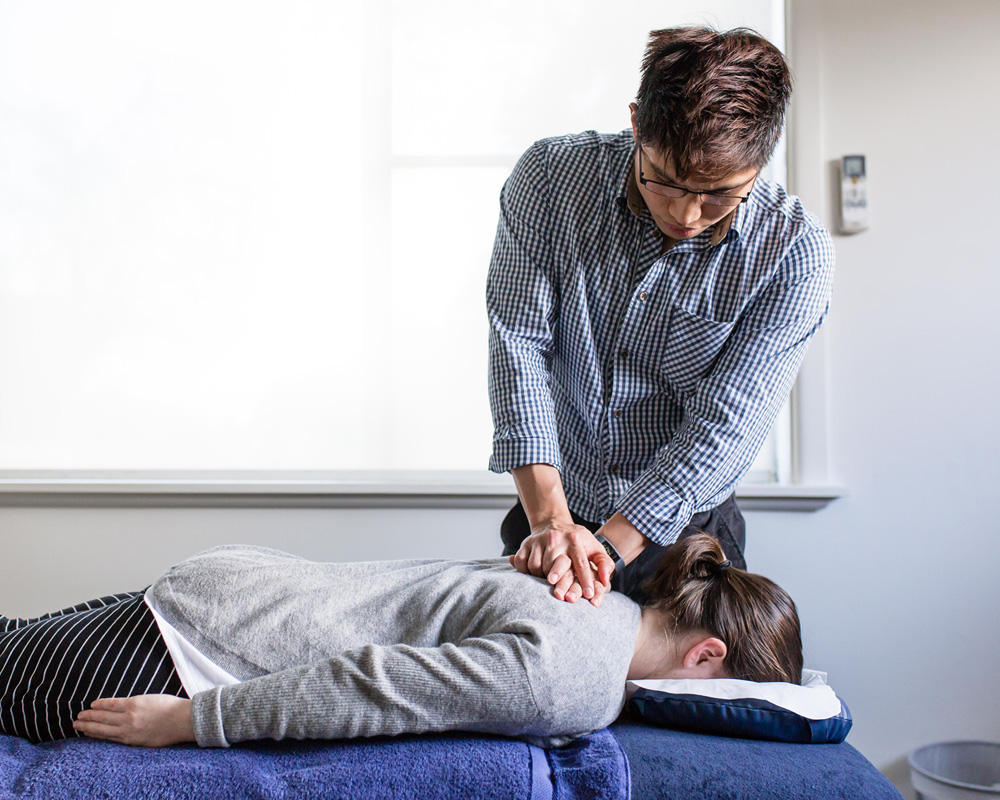
Remedial Massage therapy is one of the key services that we offer at Form & Practice and can greatly assist in rehabilitation of injuries and […]
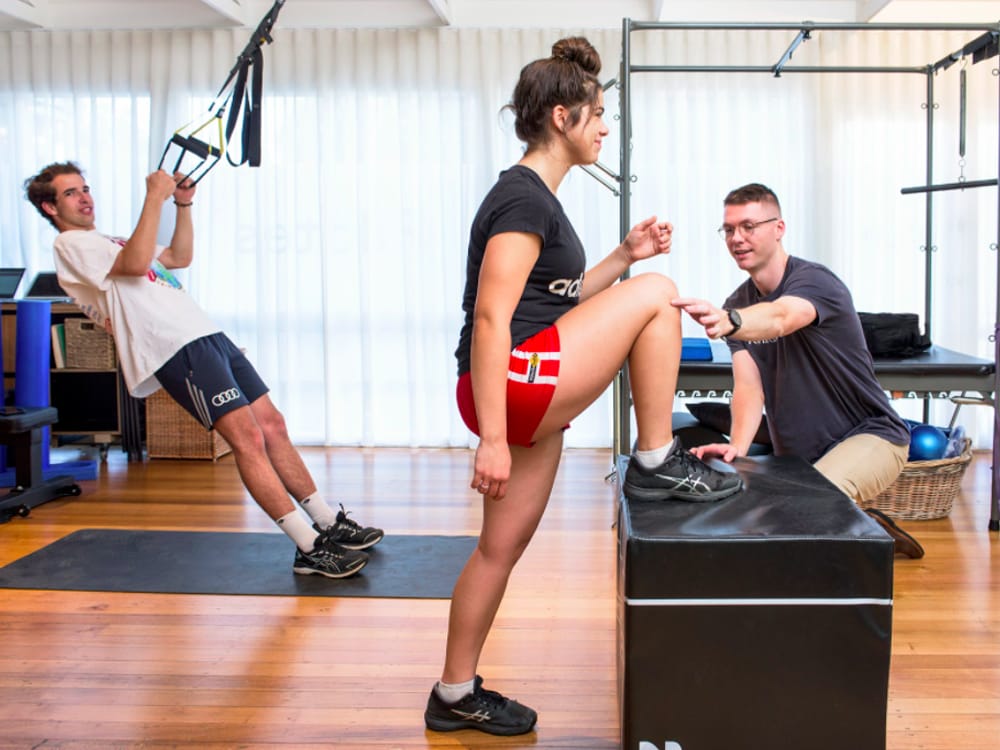
1. Bridges with towel squeeze Helps strengthen the glutes and inner thigh muscles, which are used for skiing, walking and balancing in the snow. Squeeze […]
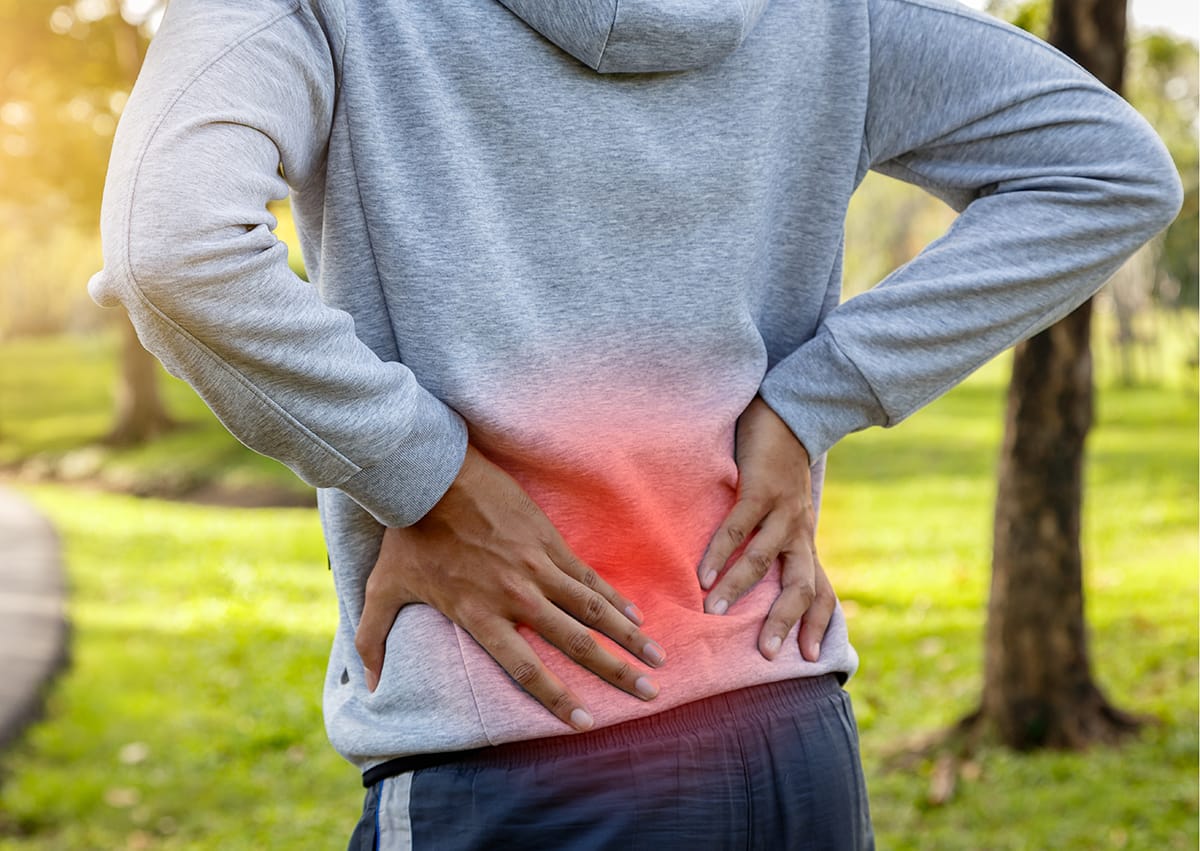
Low back pain continues to be one of the leading causes of disability and burden on healthcare resources worldwide. It is amongst the top three […]
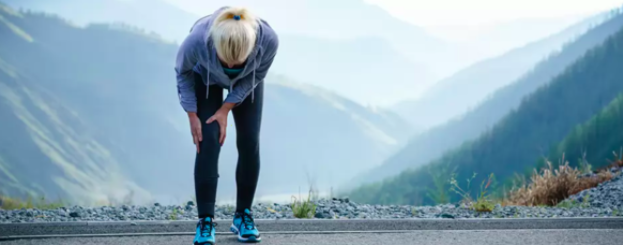
Shin Splints, also called medial tibial stress syndrome (MTSS), describes an often sharp pain along the inner part or the back of the tibia (shin […]
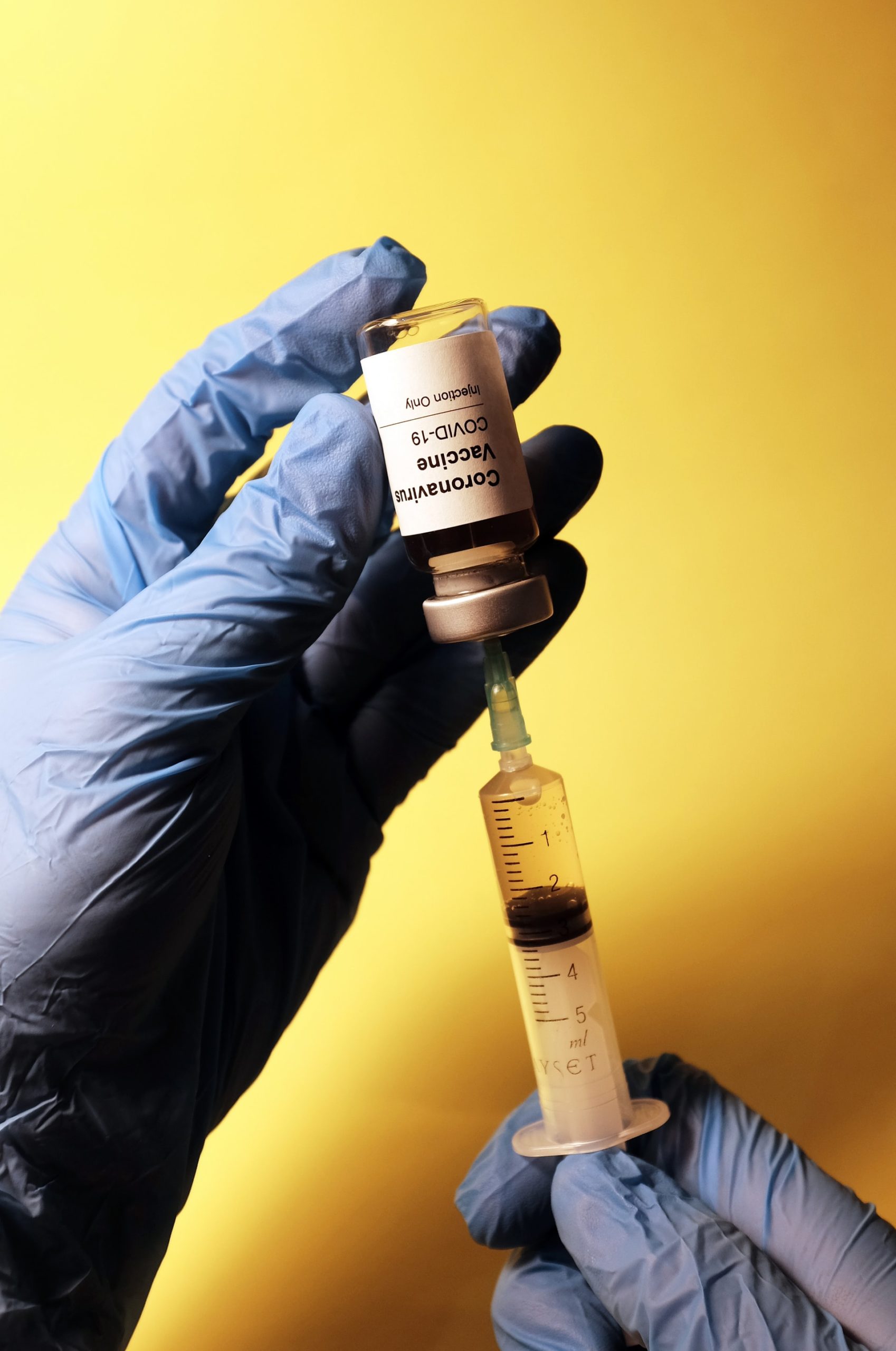
The strain of prolonged and repeated COVID lockdowns has taken a toll on Victorians, most notably those in affected small businesses and workers who have […]
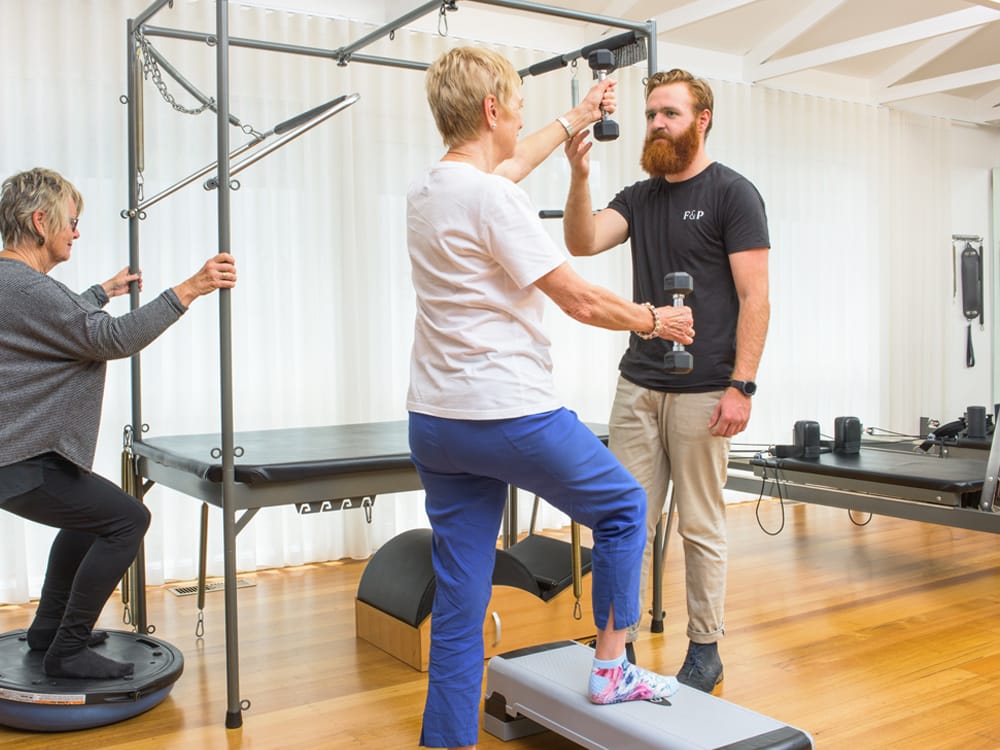
By Liam Gellie Osteoporosis is a common disease that affects 1 in 4 women and 1 in 6 to 7 men. It is a condition […]
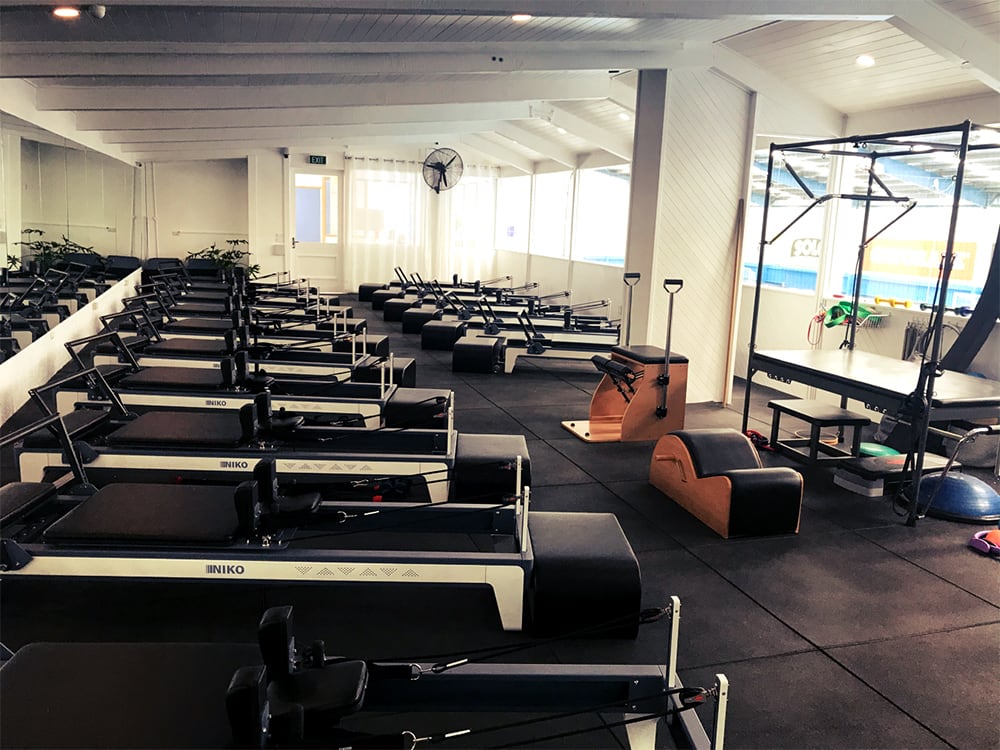
This week we were so happy to finally re-open our Clinical Exercise classes at both our Olinda and Mt Evelyn studios. The current classes on […]

In our clinic during the lockdowns we’ve seen a distinct rise in the incidence of people seeking treatment for lower back pain. Working from home […]
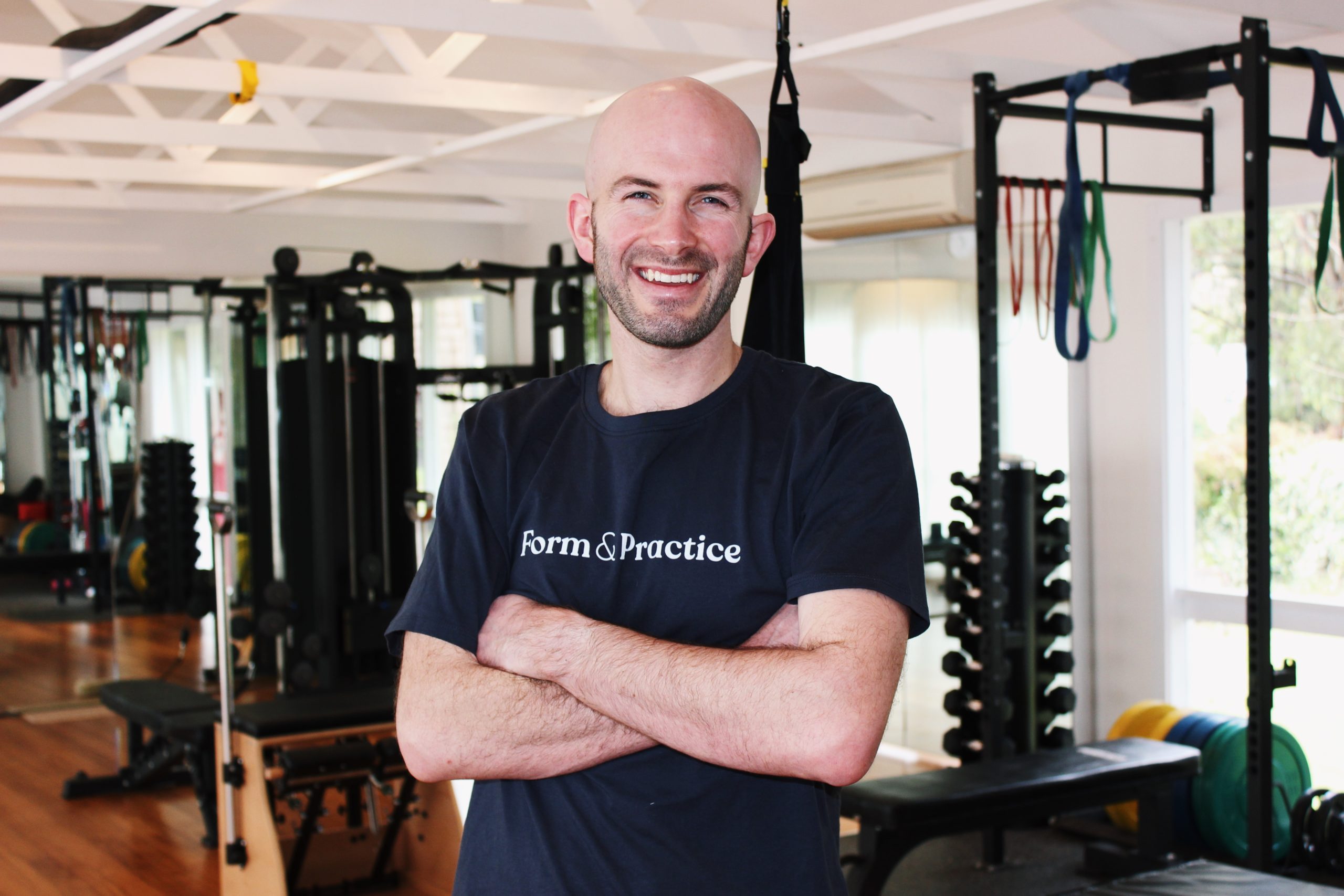
Form & Practice is extremely excited to have Ben Croxford join the team across both our clinics in Olinda and Mount Evelyn. Ben is coming […]
What is the best way to exercise from home during Stage 4? Walking, running, cycling, yoga, home workout … the options are not the problem, […]
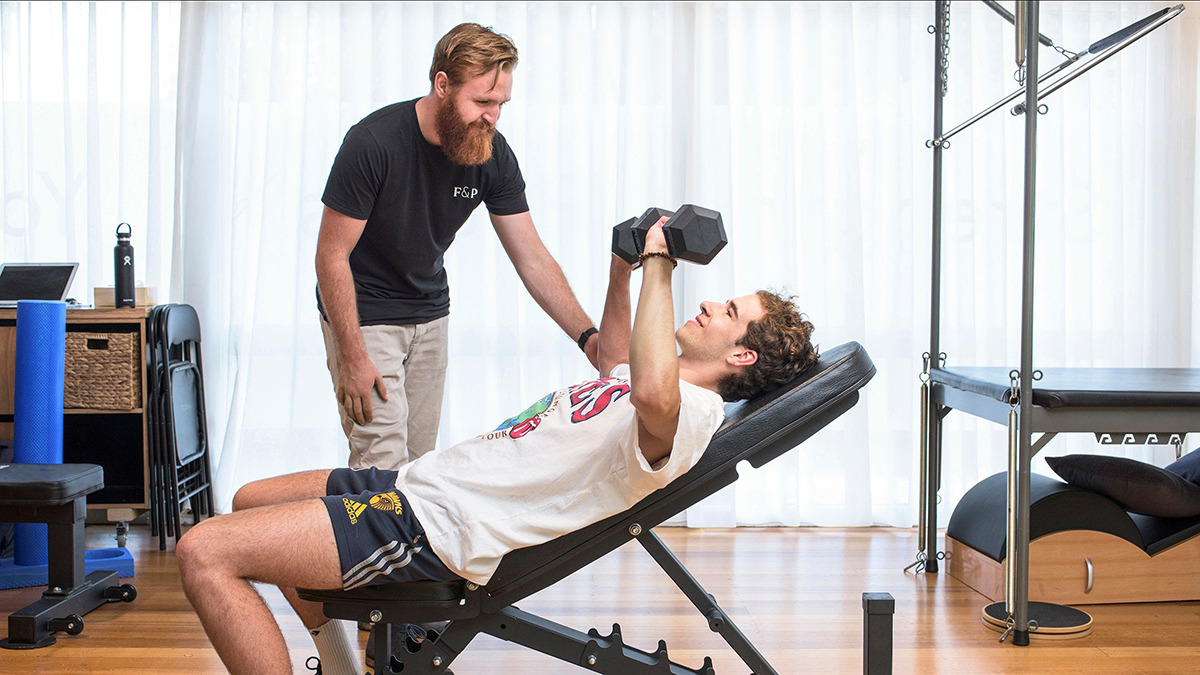
Many new and unique challenges have presented this past year. Of recent focus has been the challenge of maintaining good Physical and Mental Health in […]
By Jen Vardy Lateral hip pain is often related to gluteal tendinopathy or bursitis and can be a literal pain in the butt. It is […]
Radicular pain vs Radiculopathy by Lis Coffey, Physiotherapist at Form & Practice, Mt Evelyn Most people are familiar with the term ‘Sciatica’ when it comes […]
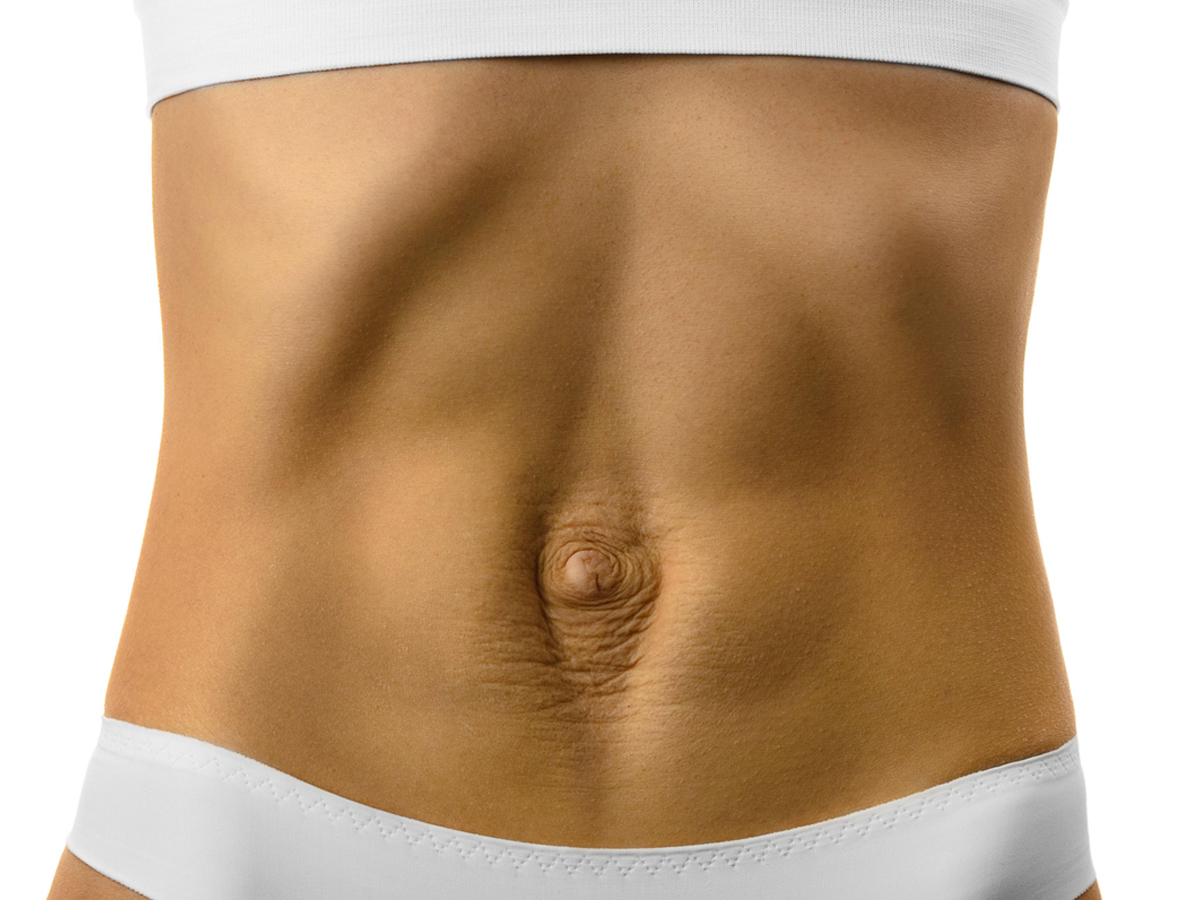
Women’s Health Physio for your Diastasis Rectus Abdominus muscle (DRAM)By Jen Vardy Much has been written about abdominal muscle separation or diastasis recti abdominus, DRA, […]
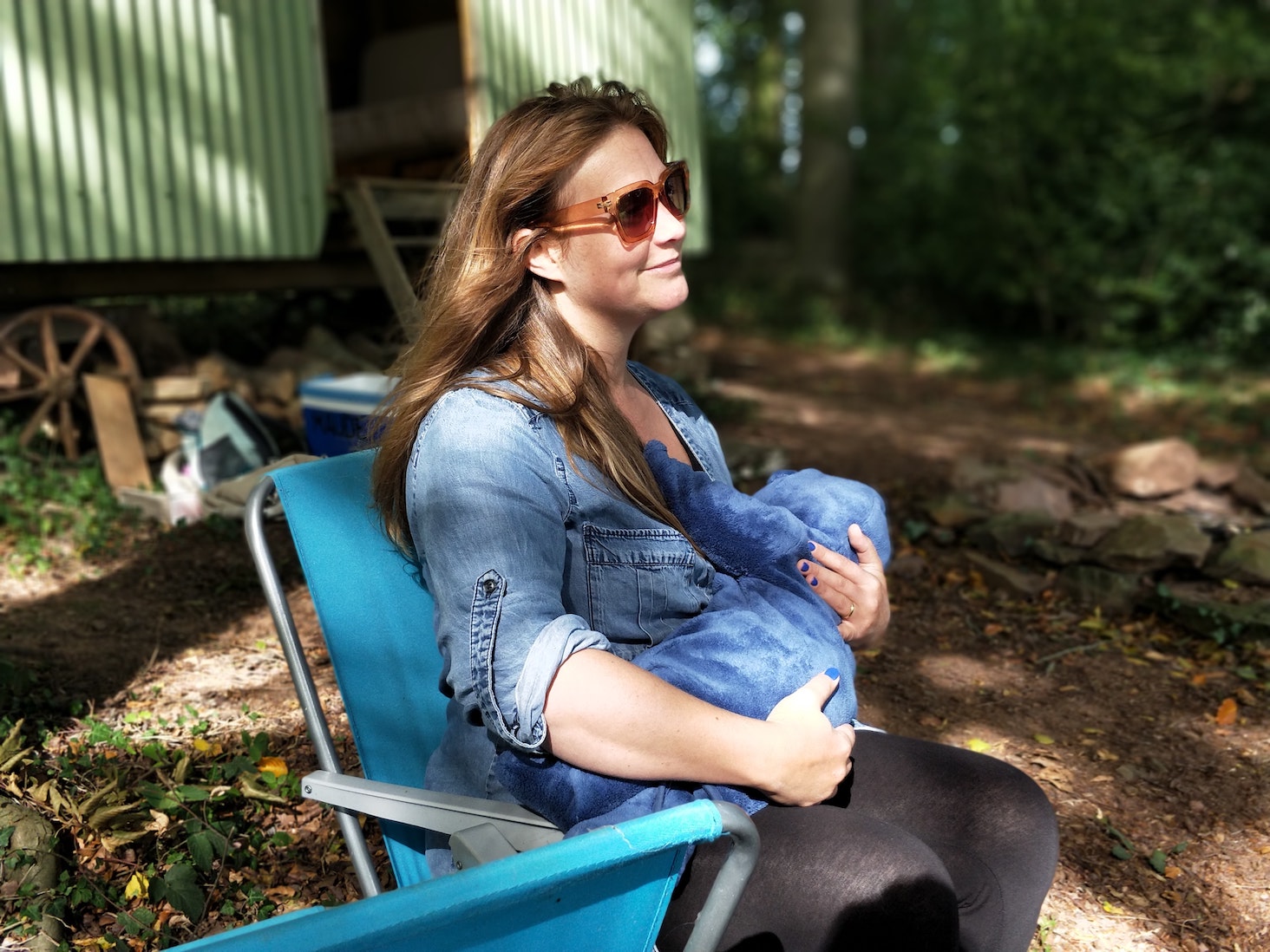
Mastitis and Physiotherapy for inflammatory conditions of the lactating breast. By Jen Vardy My husband comes from a dairy farm and his knowledge of mastitis […]

Previously described as ‘pelvic instability’ pelvic girdle pain (PGP) is a condition affecting more than half of women during pregnancy to varying degrees. PGP refers […]

What is it? RTUS is the use of diagnostic ultrasound, in real time, to assess muscle and ligament function within the body. It is a […]
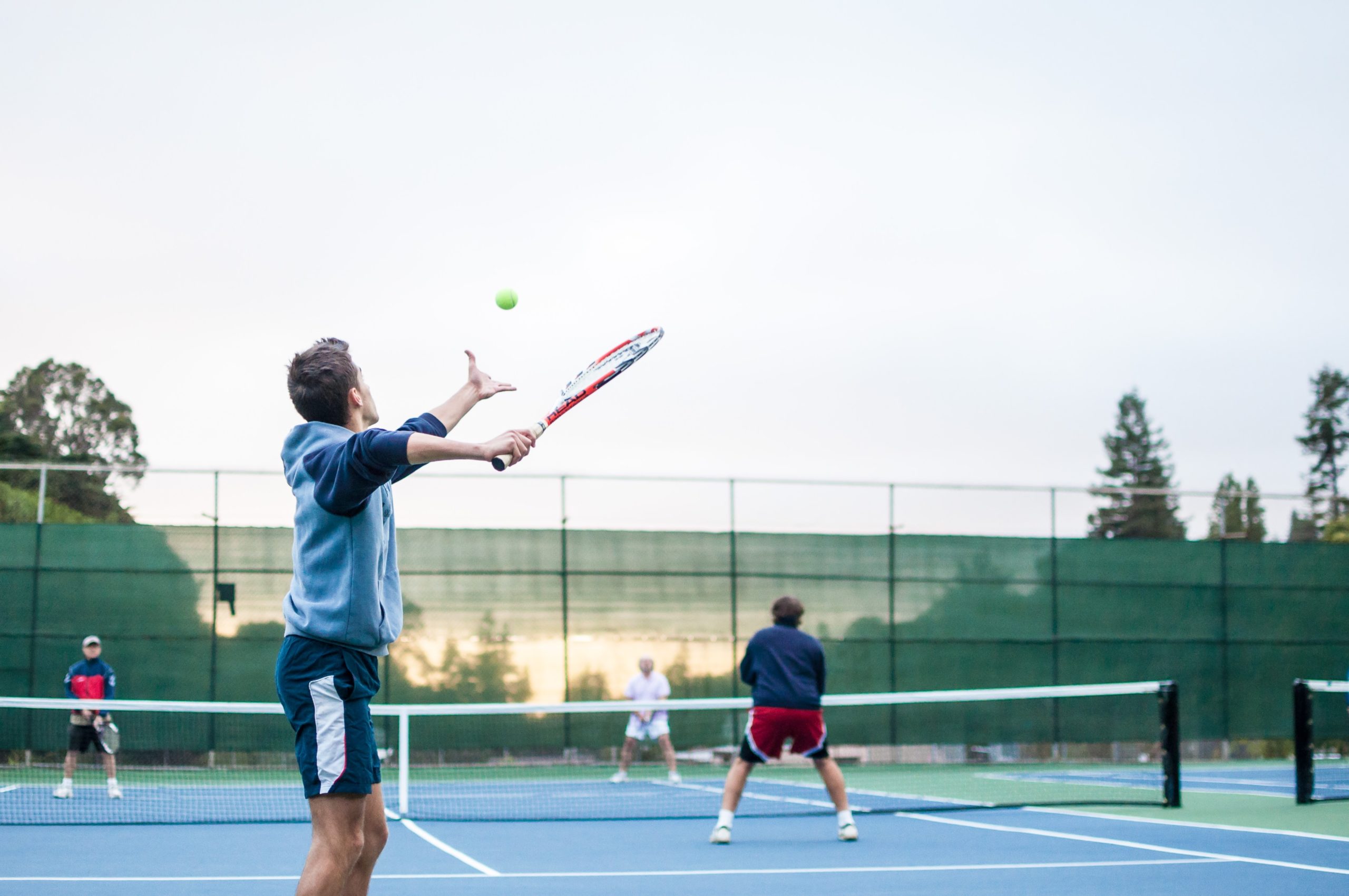
Avoiding or managing tennis elbow Competitive Sport has been sidelined by COVID19 but there is suddenly a glimmer of hope for Victorians with a staged […]
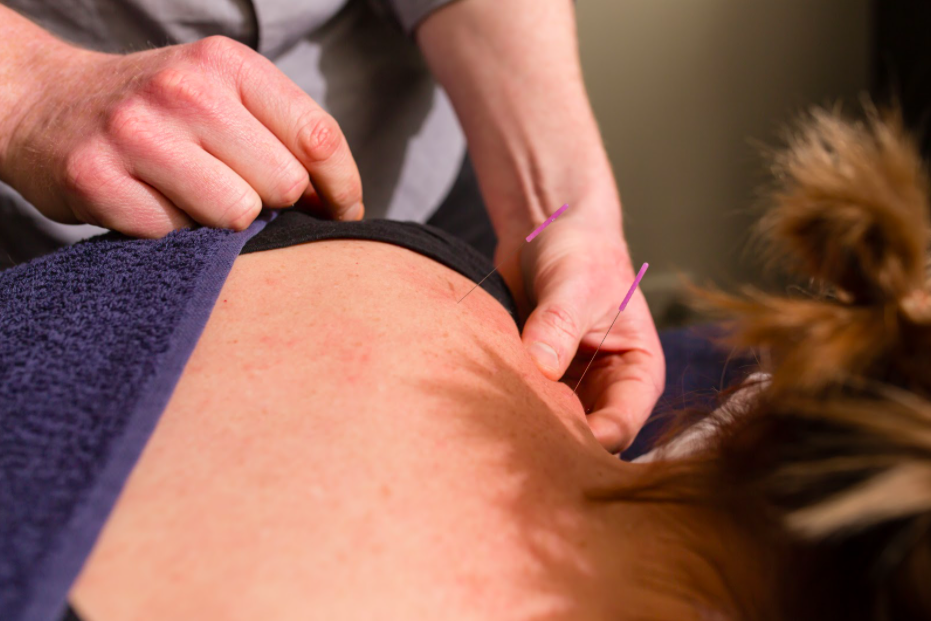
We realise needles aren’t for everyone but just thought you may like to know. Firstly, let’s start with a quick rundown of the history of […]
Youth Strength Training There is clear evidence that strength (resistance) training can be a beneficial activity for children and adolescents. Some of the documented outcomes […]
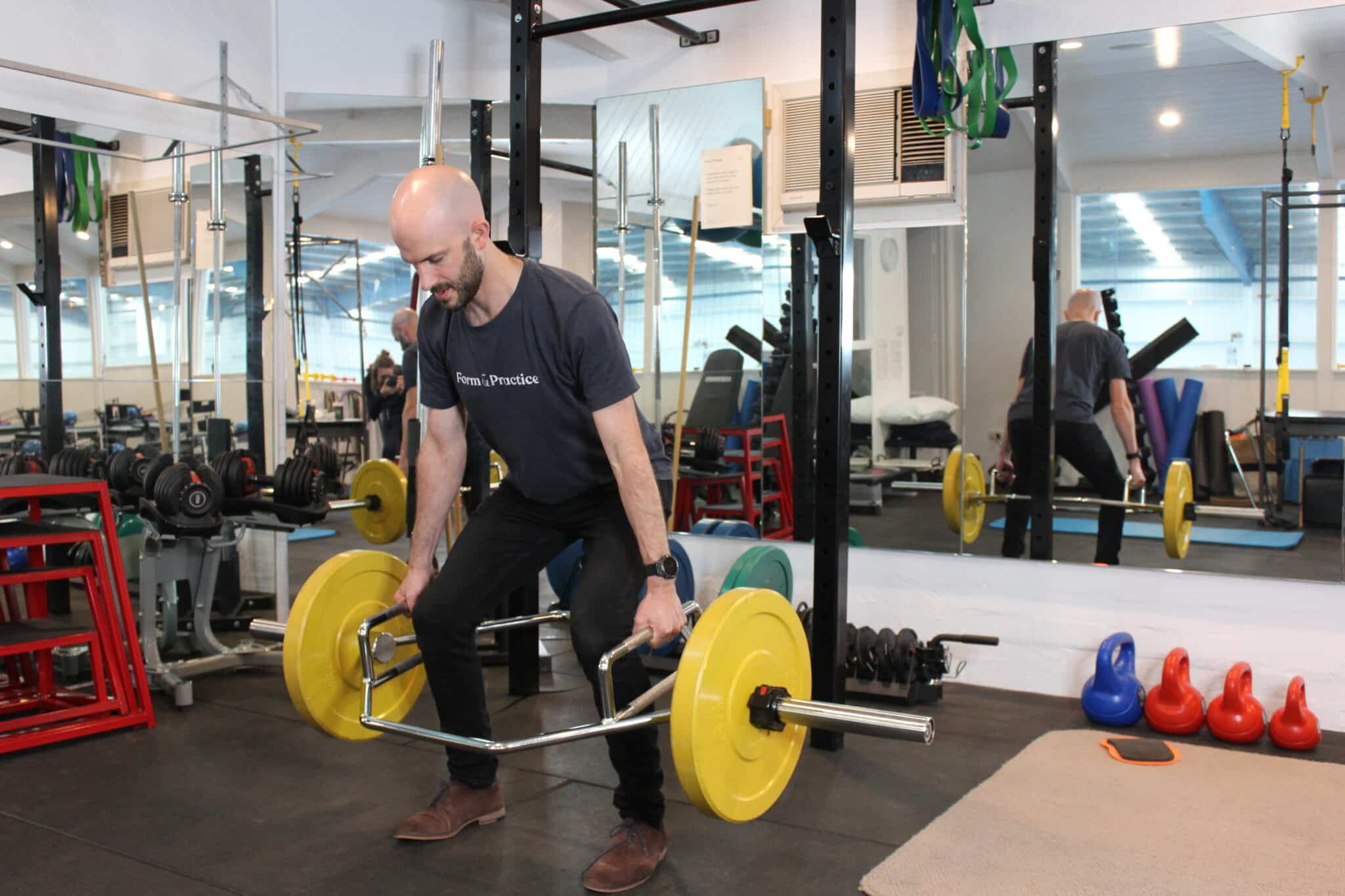

Running is a hugely popular, easily accessible healthy physical activity (especially post COVID-19). Running also provides a range of physical and mental health benefits including […]
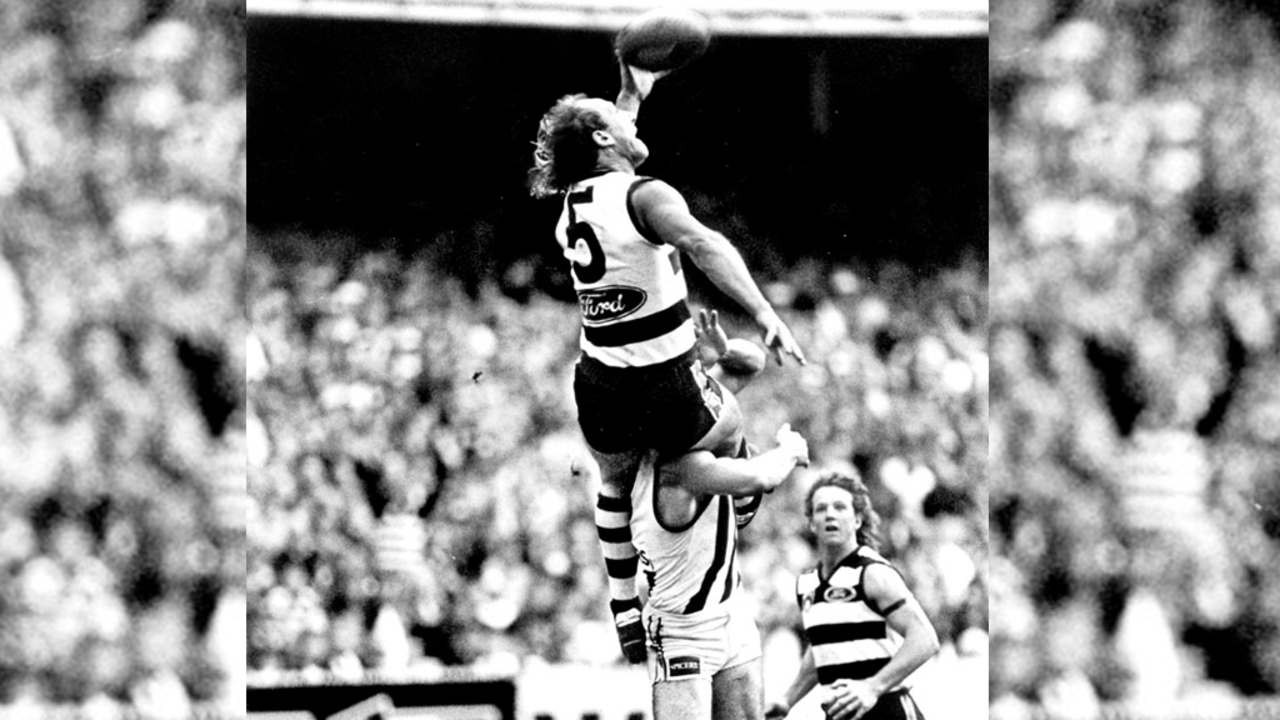
It depends on who you listen to. The recommendation most commonly used has been that most football players who have dislocated their shoulder for the […]
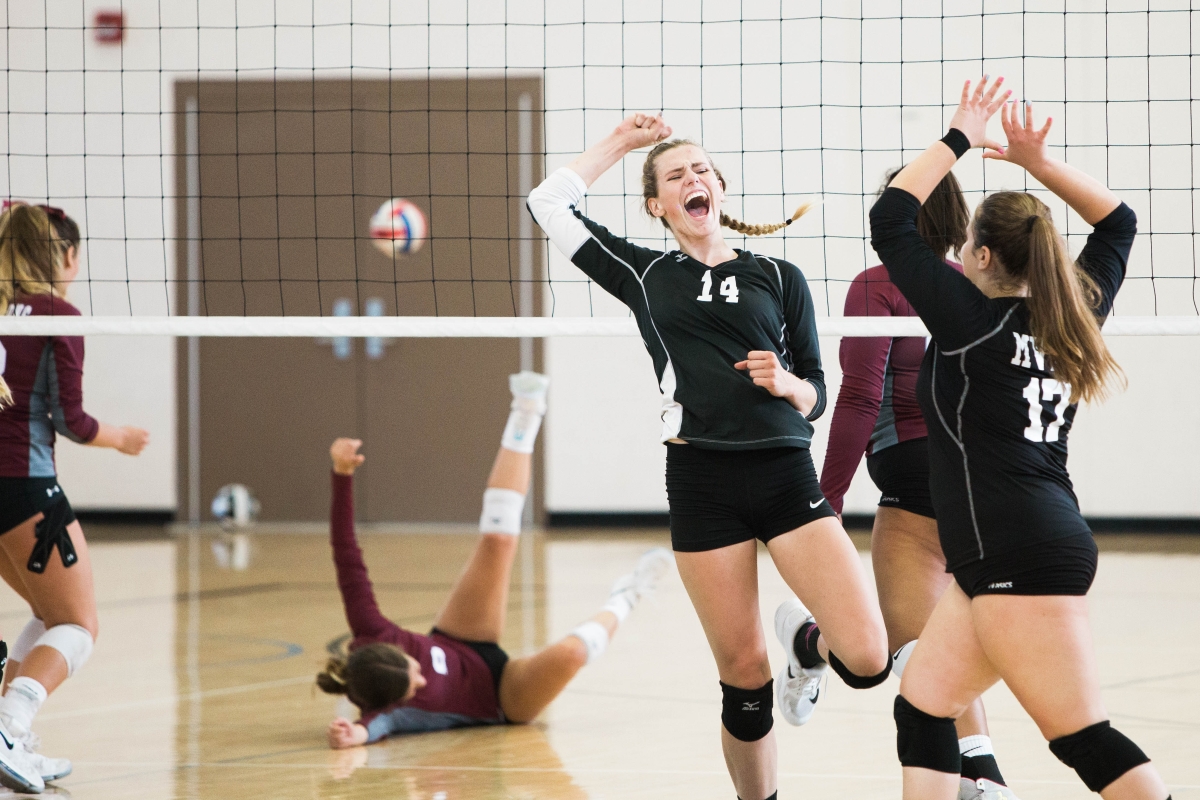

By Jen Vardy Keeping our teenagers active and engaged in sport can be a challenge. The statistics for girls, in particular, show a high drop […]


By Jen Vardy Dear Sir, This is a letter to you. Who loves to stride up a thousand steps? Lift in the gym or get […]
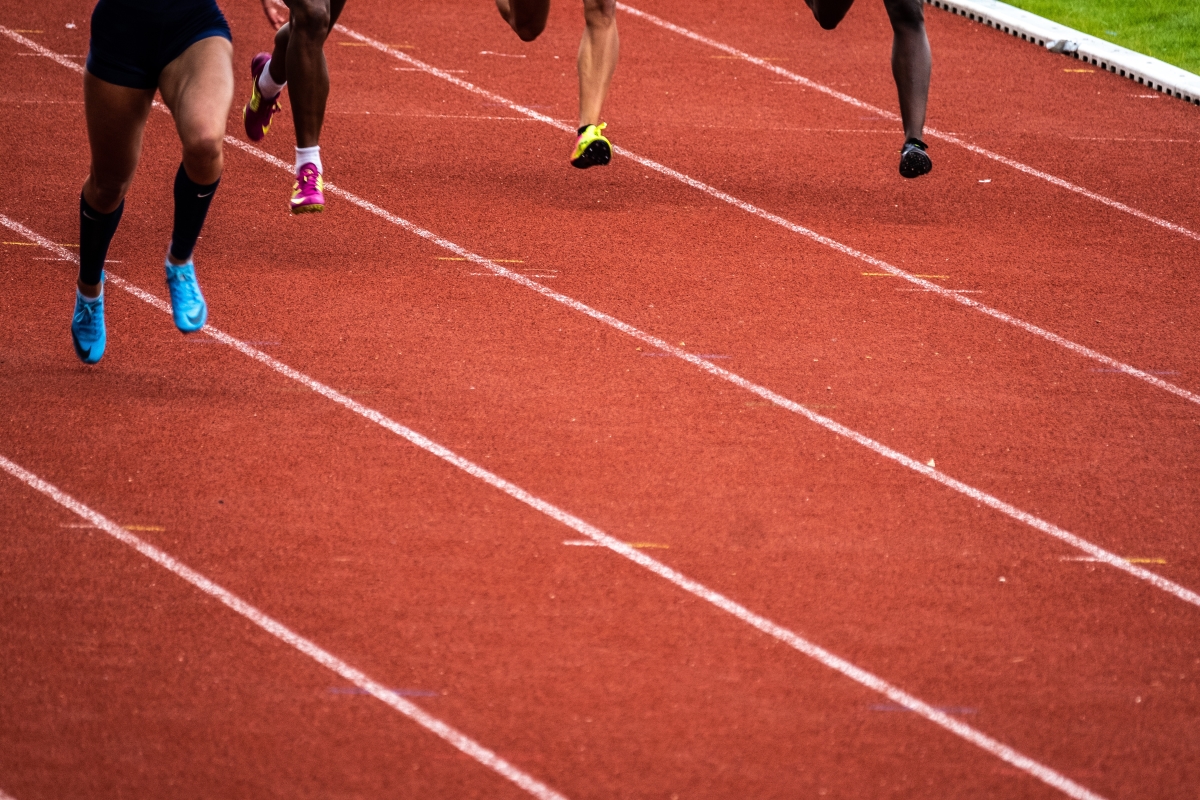

With sports seasons hopefully about to ramp up post-COVID-19, muscle strains or tears will become more common for those lucky enough to be running or […]

You just got up and the room is spinning. You may even feel like throwing up. Benign Paroxysmal Peripheral Vertigo (BPPV) is a common cause […]
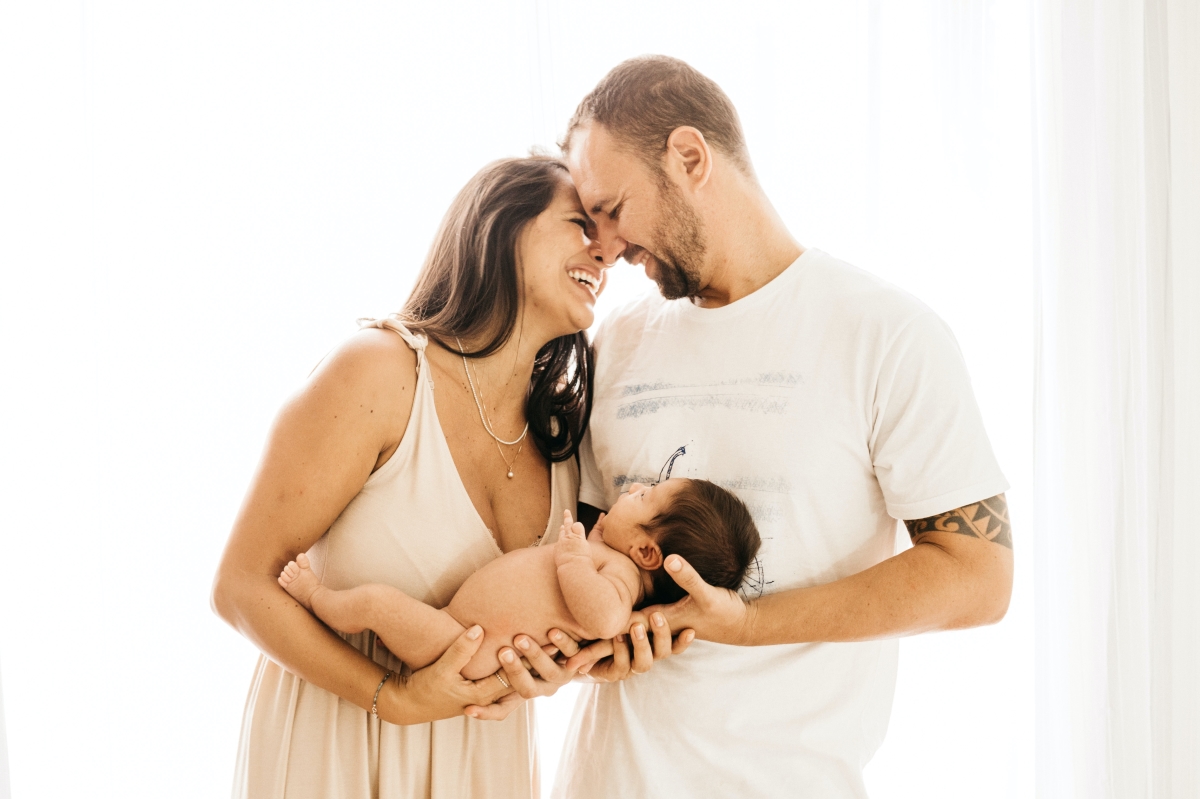
by Jen Vardy, Pelvic Health Physiotherapist @ Form and Practice Olinda & Mt Evelyn Having a baby is not only a time of incredible joy […]
Physiotherapists are often asked this question. If you’ve ever experienced or currently have a clinically diagnosed disc injury to your lower back you will likely […]
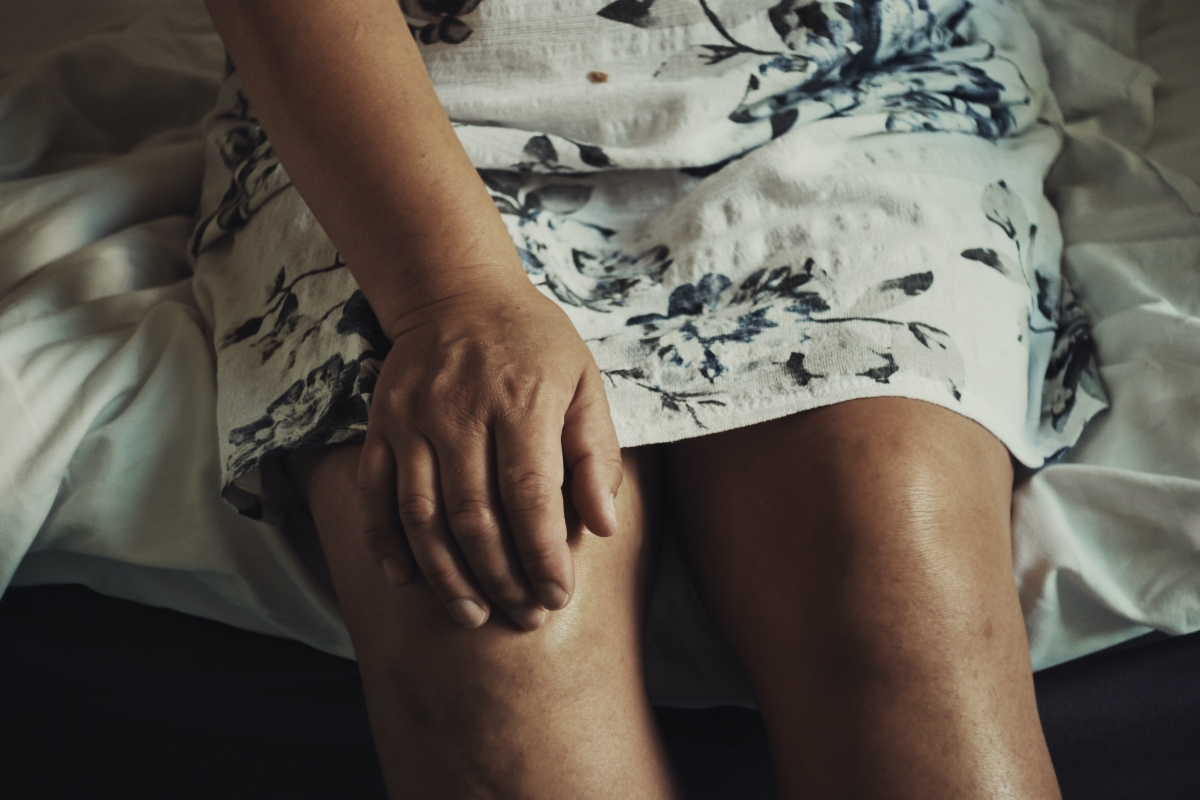

What is Arthritis? The word arthritis derives from Greek words for joint (arthrosi) and inflammation (itis). Arthritis is a major cause of pain and disability […]
The World Health Organisation (WHO) recommends for all adults over 18 who are able to should perform: 150 minutes of moderate-intensity exercise or 75 minutes […]
Form & Practice are taking the following infection control steps in order to reduce the risk of transmissible coronavirus infection and to enable our existing […]
Since 2002 there has been an overwhelming amount of research and clinical evidence stating that exercise is the best first choice treatment for symptomatic knee […]
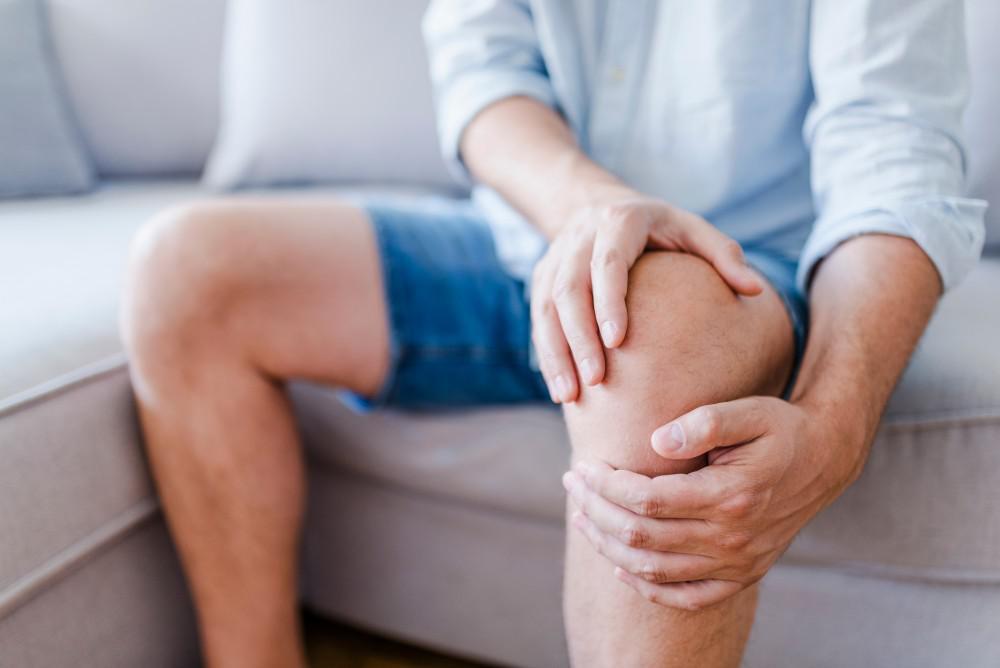

Osteoarthritis (OA) is a condition that impacts an entire joint including bone, cartilage, ligaments and muscles. In the past this condition was described as ‘wear […]

For those who have suffered, or are suffering, from a common foot condition called plantar fasciitis (or as we have mentioned before, it’s now fasciosis […]